

If you already have a working CCTV network, you probably don’t want to hear that “real” AI monitoring means ripping it all out and starting over. The good news is that you don’t have to. In most cases, existing CCTV cameras can be turned into AI vision cameras without replacing a single lens. An add-on layer reads the video feed you already have and applies computer vision on top of it. Retrofitting has become the default path in 2026, not the workaround. Three shifts made this possible: cheaper edge hardware, common video standards, and more efficient AI models. Together, they made replacing cameras the exception rather than the rule for most buyers.
The Big Picture First
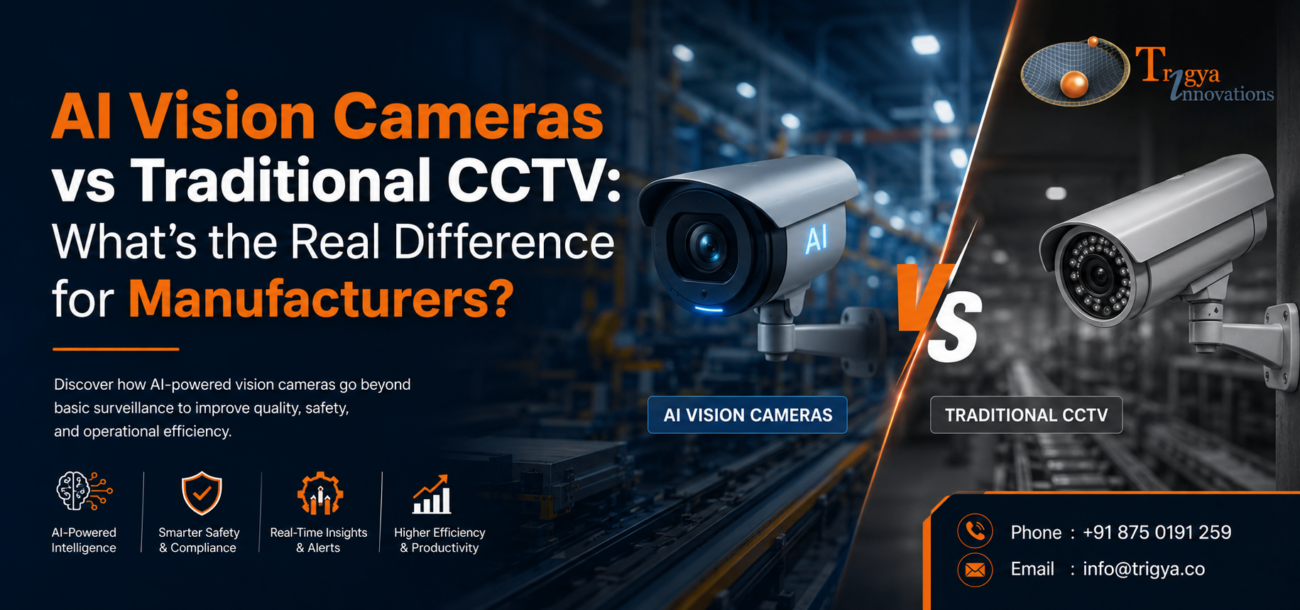
Traditional CCTV was built to record. It stores footage so someone can review it after something has already gone wrong. AI vision cameras flip that model. Instead of just recording, the system actively watches the feed and reacts in real time. It can flag a person in a restricted zone, count vehicles, or catch a safety violation on a production line as it happens, not hours later. TechCabal’s breakdown of AI-enabled surveillance describes this as the core shift in the industry. Intelligent systems now analyse what the lens records instead of simply storing it. In effect, cameras are learning to watch the way a trained guard would, minus the fatigue.
So How Does the Retrofit Actually Work?
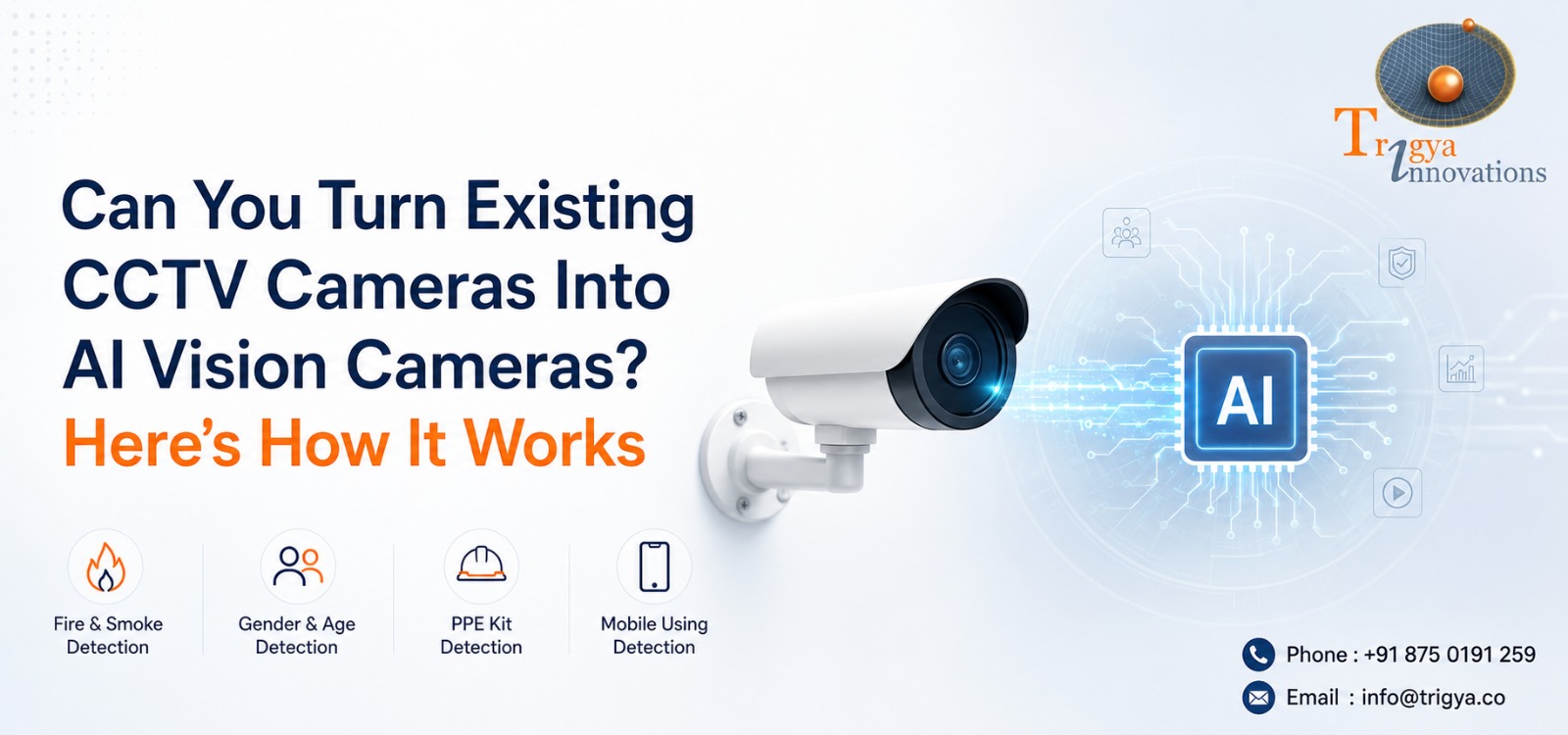
The AI doesn’t move into the camera. A separate device does the thinking. A small edge unit, often called an AI box, sits between your existing cameras and your monitor or NVR. It pulls in the video stream and runs detection models on it locally. Industrial AI’s guide to adding AI to existing security cameras explains that this processing happens outside the camera itself. It usually runs on an industrial-grade mini PC or an NVIDIA Jetson unit connected to the camera feeds over the network. Nothing about the camera itself changes.
This works because most CCTV and IP cameras installed in the last decade already speak a common language. As long as a camera supports standard streaming protocols, it can feed a computer vision pipeline. Roboflow’s overview of connecting existing cameras to AI workflows points out that almost any IP camera qualifies. It just needs to support protocols like RTSP, ONVIF, or HTTP-MJPEG. That means a traditional CCTV camera can serve as the “eyes” of a computer vision project without ever being swapped out. This protocol compatibility is exactly why AI vision cameras don’t require new hardware at the lens. The intelligence gets added downstream instead.
The economics reinforce this. Cameras are the most disruptive and expensive part of any vision system to install. Cabling, mounting, weatherproofing, and power are already sunk costs. A detailed technical briefing on retrofit security architecture notes that a modern edge appliance can now deliver hundreds of TOPS of AI compute in a compact power envelope. That’s enough to run real-time detection across dozens of existing feeds without routing footage to the cloud at all. The briefing calls this the “2026 baseline,” where retrofitting is the pattern rather than the exception. India offers a live example. A Tamil Nadu-based startup profiled by Electronics For You has built technology that converts existing CCTV cameras into AI-driven analytics devices across different camera brands. Early rollouts are already running in police stations and jewellery stores, with no hardware replacement involved.
What You Get Once the Retrofit Is Live
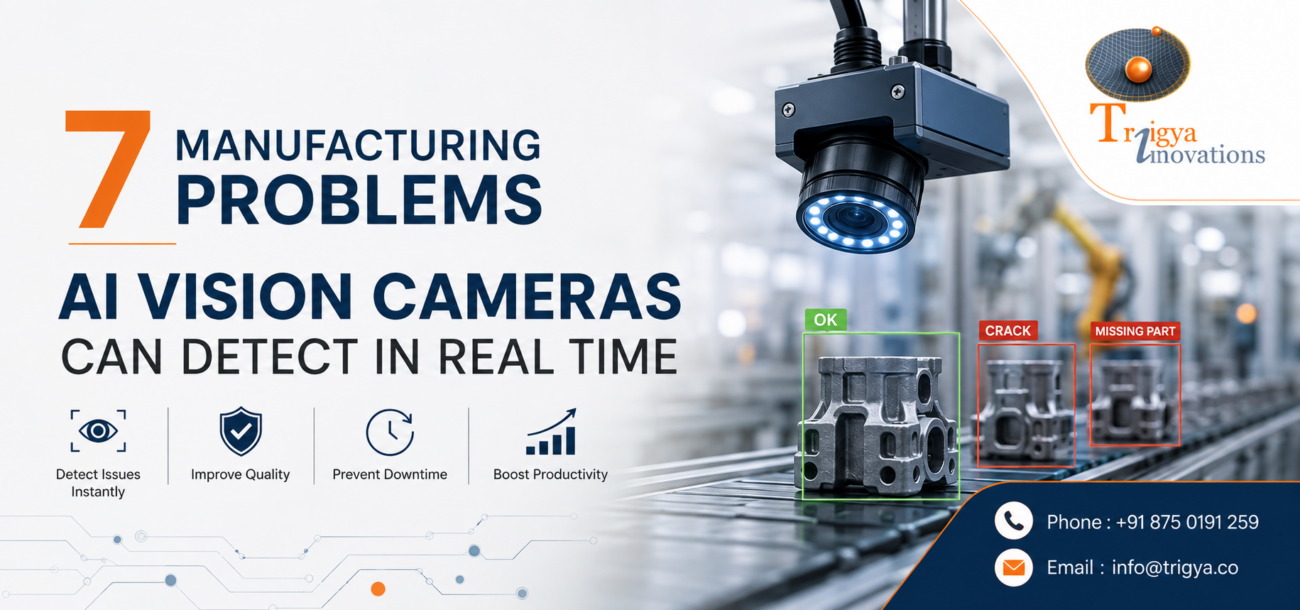
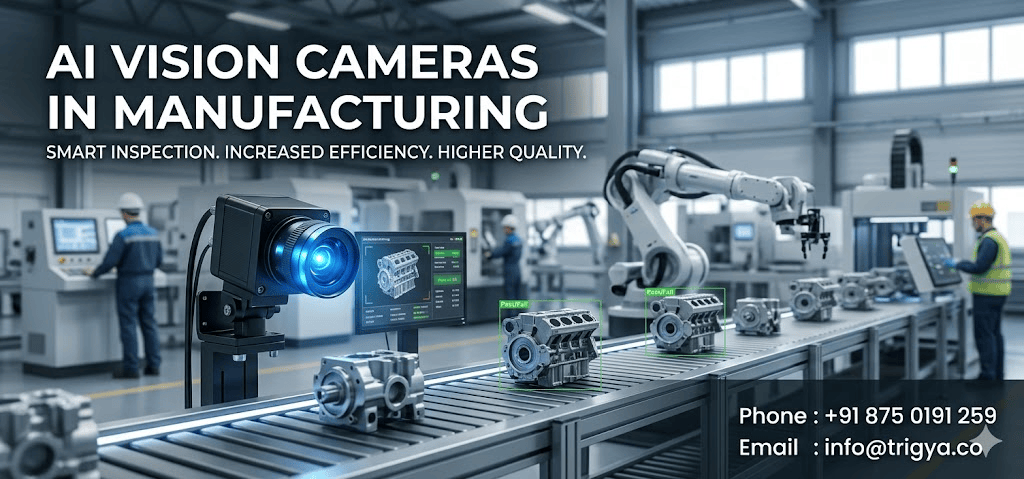
Once the AI layer is connected, existing CCTV cameras behave very differently. They can flag intrusions the moment someone crosses a virtual boundary. They can also tell a person apart from a stray animal, cutting down false alarms, and generate searchable metadata instead of footage that only gets reviewed after an incident. This is where manufacturing use cases matter most. Quality inspection, safety-zone monitoring, and production-line counting are now realistic jobs for a camera that was only ever meant to record. It’s part of why the broader video analytics market is projected to grow from roughly $6 billion to over $17 billion by 2031, according to Mordor Intelligence’s market research. Edge deployments are named as the fastest-growing segment, which is the same architecture that makes camera retrofits possible.
This is precisely the kind of upgrade path teams at Trigya Innovations work through with manufacturing clients. That means assessing which existing cameras are retrofit-ready, choosing the right edge hardware for the site’s camera count and network conditions, and layering detection models that match the actual problems on the floor. It’s a deliberate process, not a default push toward a full hardware replacement.
When a New Camera Still Makes Sense
Retrofitting isn’t universal, and it’s worth saying plainly. Very old analogue cameras from before 2015 are one exception. So are units with poor low-light performance, or sites that need thermal imaging for night monitoring. In those cases, new AI vision cameras genuinely outperform an add-on layer. The rule of thumb is simple. If the image is clear enough for a person to understand what’s happening, it’s usually clear enough for an AI model to do the same.
Getting Started
The honest starting point isn’t buying new cameras. It’s auditing what you already have: camera age, protocol support, network bandwidth, and the specific problem you’re trying to catch in real time. If you’re evaluating whether your CCTV setup is ready for this shift, that audit is the right first call to make before any hardware decision.
Ready to see what your existing cameras can actually do? Get in touch with Trigya Innovations for a walkthrough of your camera infrastructure and a clear read on where AI vision cameras would make the biggest difference on your floor.